Sunday, December 18, 2022

Saturday, December 10, 2022

Economy collapsing? Zombies attacking you? All your friends and family killed by the epidemic? No worries, I got your back with this guide on How To Survive Everything Apocalyptic.
Most people make decisions due to the influence and actions of others, but if you make your choices with these basic principles of cultural values and beliefs you'll be able to survive everything.
Why are property rights fundamental to economics? How can you determine the missed profit on missed opportunities? How can you start thriving in life through the use of trades?
Many spend most of their time in survival mode which dooms them with little hope to move from surviving to thriving for a better life. Learn more about economics, resources, productivity, gains from trade and economic growth. Don't forget about motivated leaders and not allowing the breakdown of social order.
Would you rather be safe and secure, but lose some of your freedoms OR have free-will and have no security left to protect you?
To have a successful community survivors would need to choose to cooperate with each other, be fair about resources and choose rules to handle conflicts easily, but fairly.
Without the right to life, liberty, property and the pursuit of happiness, our modern world will start swirling down the drain.
In a world of post-apocalyptical disaster, you'll need to analyze the dynamics of relationships to discover those with sound reasoning that can be approached to improve standards of living. Creating a functioning community with understanding of others situations, then coming together to not only survive, but thrive in the new world you're creating.
Now back to reality, most countries have created a fairly stable economy with options for growth and prosperity. There are usually reasonable systems of laws in place based on the rights to life, liberty and pursuit of happiness.
If the different communities show basic respect for those rules and laws that are in place they can move about freely, pursuing their dreams of achieving their personal goals with minimum concern about having to protect themselves, their home and their families.
What would you do if you were launched into a world with no laws or rules in place? No reliable streams of outside information, protection and no government to tap into when you need their resources for survival. Trash building up along the streets, random acts of violence, plundering with no sense of safety.
Using economic reasoning as a tool to improve your life and help others as well is essential to keep a safe and productive environment to live. Most people will have the desire to work with you, so they can meet their own personal goals. Even the day-to-day survival is easier when working with others, such as; gathering food, working, staying fit, being connected with nature and getting a good nights sleep.
However, be aware that every choice to work with someone will come with a cost of some sort. Sometimes that cost is monetary, but most of the time it won't be. In a survival situation, you will be living in a world of scarcity with limited access to the available resources to utilize in different ways in meeting basic needs, wants and providing comforts and security. You'll need to make important choices on how these resources are used to produce the highest perceived benefits for the lowest realized cost.
Another choice you'll need to make to survive an apocalypse is knowing when you need to flee when danger arrives and when you stay to fight. Weighing the costs against the benefits of the two choices you are faced with in a split second.
Each individual will need to examine their own specialized set of skills, knowledge and past experiences, so they can determine if they can deliver the highest possible benefit of their decisions with the lowest cost. Basically, by using economic reasoning, the individual is impacted by the actions and decisions made by the others in the community.
What economists have found interesting is that individuals often discover that cooperating with others and looking out for their interests are simultaneously in their own and others’ best interest, especially over long periods of time.
It's important to create an environment which provides a relatively safe place to stay with food, weapons, ammunition and medicine. After these are established you can redirect your energy towards planting gardens, developing friendships, discussing how to build a better future, how to find solutions in eliminating dangers and delegate leader roles and responsibilities.
Each person needs to do their part to be sure their cost in the community doesn't outweigh the advantages of them being there or a serious threat of being forced out of the community will be enforced.
Of course conflicts will arise and will need to be dealt with as some will choose conflict over cooperation at the expense of others valuable resources. In a thriving community, these resources are sacred and could have been used in a more strategic way for the betterment of the individuals involved and in the foundation of the thriving community as a whole.
When acting in one's self-interest, you must consider how your actions impact the lives of others and how their response to your actions will impact yours. If everyone keeps this in mind, most decisions with self-interest in mind, can be mutually beneficial to all individuals involved.
Economists often talk about the principle of comparative advantage. This explains how mutually beneficial exchanges can open doors for people with different skills, experiences and knowledge to work together improving their standard of living.
A person is said to be more valuable to the community if they can do something at a lower opportunity cost than others. If an individual focuses on achieving activities more economically, the group as a whole will be able to produce more than what is otherwise possible creating an opportunity for bartering for resources that you don't' have access to.
You don't have to like the others that you do these exchanges with, you just need to make sure the trade provides equal value to improve the lives in your community. Equally, its important to discover the qualities of each person and appoint them to those roles, so you don't waste their talents and the opportunity of them discovering
If you don't feel like you have something valuable to contribute to your community, don't worry, there are a lot of ways you can grow and improve your advantages and decrease your cost to the community. You can perform services, completes tasks and produces things that others find menial, but important for survival. Some of these would b keeping a watchful eye on the children, preparing meals and tend to the sick and injured. When individuals in a group prove value in those types of tasks the increase their comparative advantage to the group and everyone is better off at the lower possible cost you now have to the community.
What if the post-apocalyptic community has no money, no monetary value. Markets and online shopping simply doesn't exist. You would turn to humans, who are making all of the decisions in a world of scarcity. Economics can still help shed light on how people can cooperate and improve the world that they have now survived and are thriving in.
Knowing the basics of economics can help us to reflect on the costs associated with what is lost by choosing to accept one opportunity and no accepting the next best opportunity. Sometimes choices can be costly. Both choices may provide benefits, but at what cost to you and at what cost to your community.
Choosing to respect the community with your choices can reduce your cost to the community and lead to the creation of a thriving society. Help yourself by helping others with time, gratitude and resources. The economy of the group will continue to prosper as long as positive trades continue.
I hope you enjoyed the part 1 of how to survive everything apocalyptic. Stay tuned, part 2 is coming soon. If you're looking for survival gear be sure to visit our Prepping and Survival collection.
Sunday, December 4, 2022

Forgotten Dishes Eaten During The Great Depression
There are some interesting and forgotten dishes eaten during the great depression. Who knows, with our current economy, we may end up going back to a few of these meals from the 1930's, just to survive!
There wasn't a lot in the great depression, so stretching your food to last as long as possible is the only way to keep feeding your family. No all families were lucky enough to be able to eat these ingenious meals.

Fried Bologna Casserole
The Bologna Casserole was made out of just that, Bologna. If they had the ingredients the will include bacon, onions, peppers, pork and beans, chili, inexpensive cheese and anything else they can find to add to the casserole to make it last.


Great Depression Egg Drop Soup
The name is the same as the famous Egg Drop Soup that you find in Chinese restaurants. However, this dish doesn't taste anything like it. Made of boiling water and onions, browned potatoes and scrambled eggs with a lot of salt.

The Garbage Plate
The great depression garbage plate was often served at diners in the western New York region. Made with a variety of combinations of flavors, but all are loaded with nutrients and needed calories.
The dish is usually made with a combination of home fries, baked beans, macaroni salad, ground beef and sometimes sausage. Then they top this mixture of ingredients with chili, onions, hot sauce, mustard and ketchup.
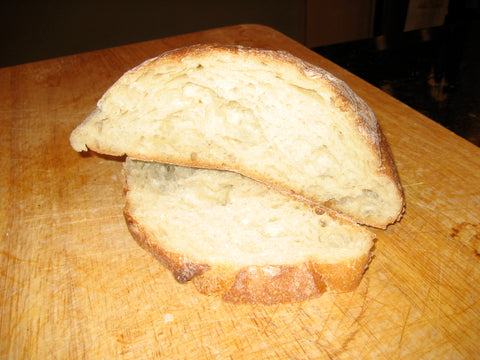
The Great Depression Cooked Bread
This is a dish that's made out of old stale bread, that would be tossed out these days. During the depression they couldn't afford to toss out anything. They would cut the old bread into slices, soak with butter or oil and cook on the stove top.


Great Depression Meatless Meatloaf
We all know that there was a meat crisis during the great depression, so creating something that resembled meat was often used.
The meatless meatloaf could be made out of anything they have hanging around in the refrigerator. Often they used liver, raisins, peanuts or whatever was left in the pantry. It never tasted the same twice, but could be good and nutritious depending on that days recipe.

Boiled Carrots and Spaghetti with White Sauce
This was the staple that replaced spaghetti and meatballs during the great depression. Since there was very little meat most families had to find a new way to present this meal.
The spaghetti is usually boiled for a long time to make it mushy with carrots and white sauce that is made out of salt, flour, milk and butter. It's not as tasty as Spaghetti and Meatballs, but is nutritious and provides food for their family.
 Peanut Butter and Mayo Sandwiches
If a family in the depression was lucky enough to have pantry staples, they would have peanut butter and mayo sandwiches that would provide just enough protein and nutrients to keep one going from day to day.

The Great Depression Milkorno
Scientists at Cornell University in 1933 invented a gruel called Milkorno, a mix of powdered skim milk, cornmeal, and salt, to help families in need “stretch budgets without sacrificing nourishment," promising “Meals For a Family of 5 For $5 a Week.”
As the name implies, Milkorno comes from combining "milk” and “corn.” There were also Milkorno’s step-siblings, Milkwheato and Milkoato. Milkwheato, in particular, was incredibly successful. The government purchased 25 million pounds of it for use in hunger relief efforts.
When boiled, every member of the Milkorno family turns into porridge, though the Bureau of Home Economics considered them a decent substitute for noodles in Chinese chop suey.

Hot Milk Toast
In the midst of the Great Depression, Americans found creative ways to stretch their food dollars and provide nourishment for their families. They ate a variety of unusual dishes that made use of the ingredients they had on hand like food that they foraged or grew in their gardens.
Whether you’re looking for some fun and frugal new recipes or you just want to explore a unique period in America’s history, consider whipping up a few of these odd Great Depression meals today!
Tuesday, November 29, 2022

Be Prepared For An Avalanche
- Snow
- Weak layer in the snow cover
- Steep slope
- A trigger
- Get the gear: transceiver, shovel, probe, airbag pack.
- Get the training: Be informed and practice a lot on how to use the tools
- Get the forecast: Interactive avalanche forecast map
- Get the picture: pay attention to the signs
- Get out of harms way
Sunday, November 20, 2022

A ‘Hobbit House’ that I Would Love to Live In
An adorable 'Hobbit House' that I would Love to live in at the drop of a hat. I'm short and don't need much space, the house is just my size and the greenhouse is perfect for me o grow my own food and Thrive in Life.
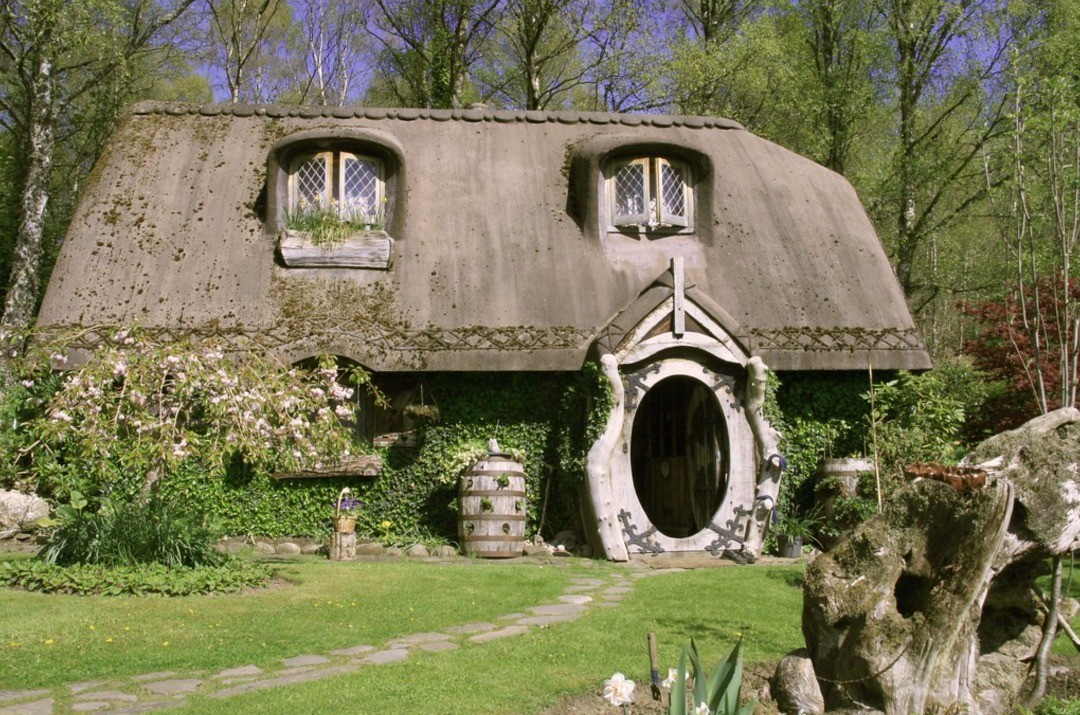
This house was created by, Stuart Grant, 89, in Scotland. He started the home in the early 1980's when he became a newly retired woodcutter.
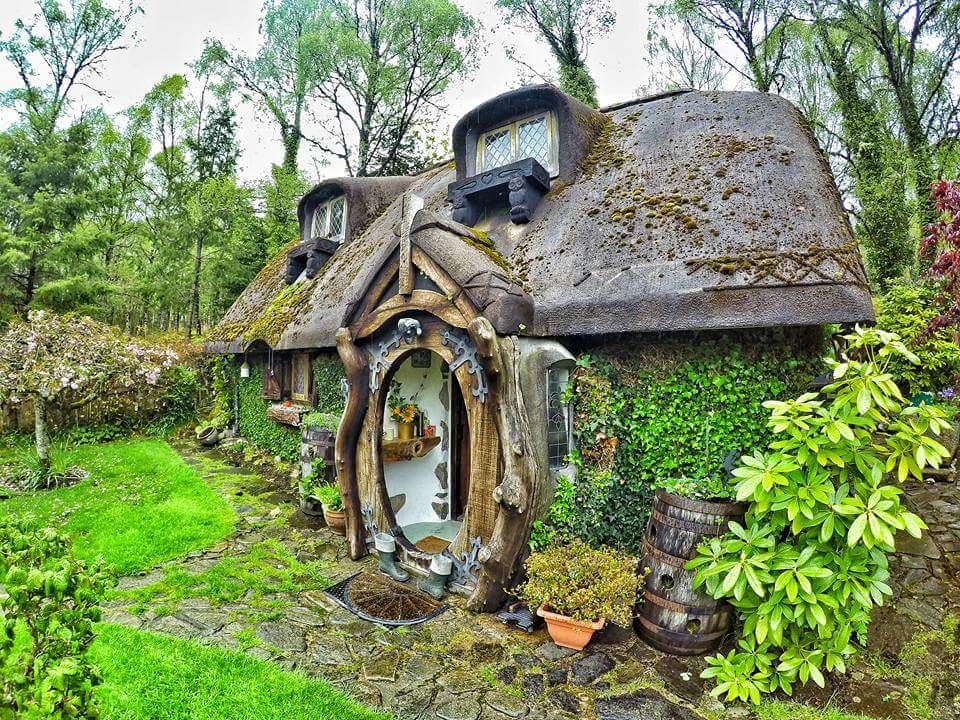
He mostly used materials that he found in the woods surrounding his property and near the village of Tomich, which is located deep in the Scottish Highlands. Little by little he created, with his own hands, this magical cozy home for himself.
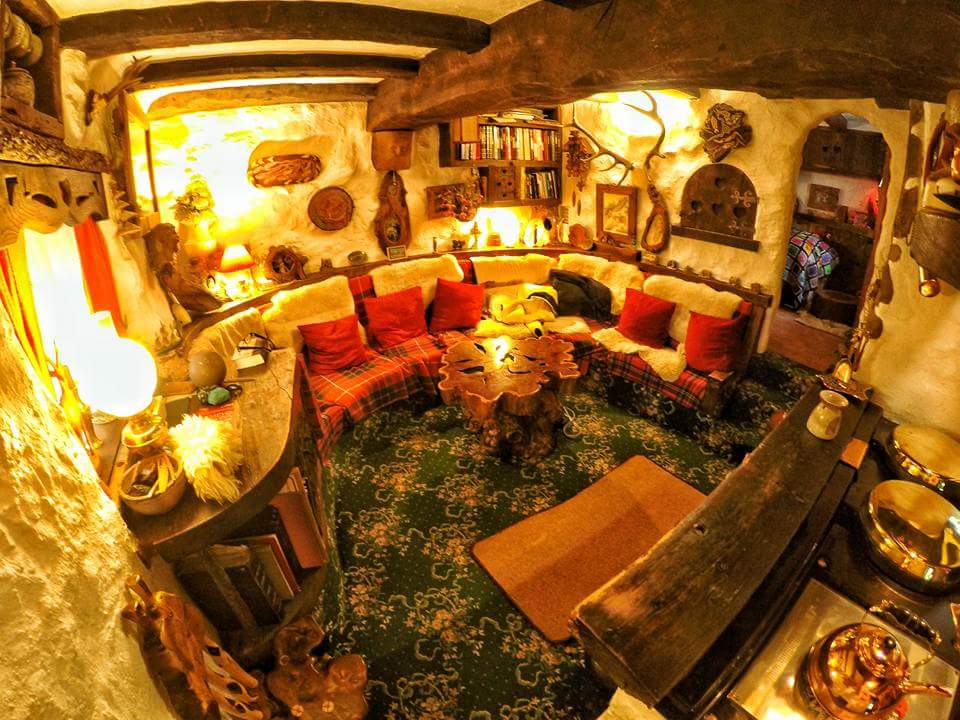
Grant himself is only 5 foot, 3 inches tall and closely resembles Bilbo Baggins, which makes this home even more remarkable.
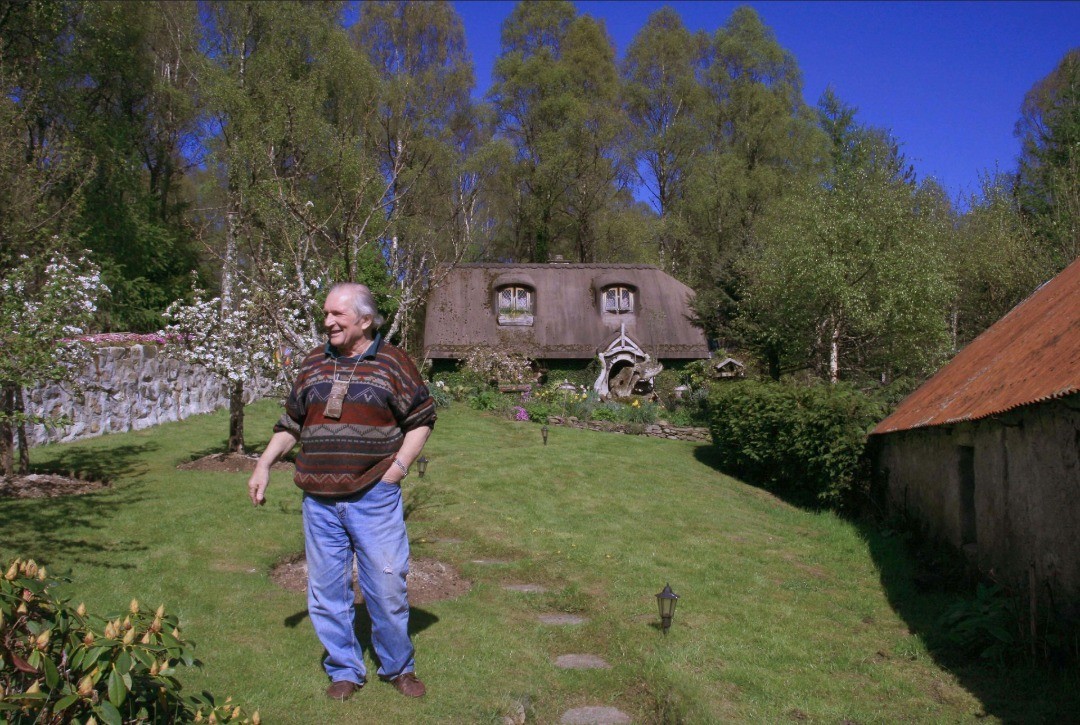
Grant enjoys wandering round barefoot, building hand crafted wooden furniture and tending to his beautiful plants in the greenhouse.
The front door is carefully crafted round and perfect, just like any hobbit home with beautiful stained glass on both side that nearly perfectly matches.
The project got underway in 1984, decades before “Lord of the Rings” was released onto screens, when Grant was approaching his 40th birthday.
In a YouTube interview with his friend Iain Maclean, who was in the area to film the project, Grant said that he’d been living in Australia prior to 1984, but returned home to Scotland following a divorce and a struggle with his health.
“I came back a broken man in every way, financially, physically … and spiritually,” he said.
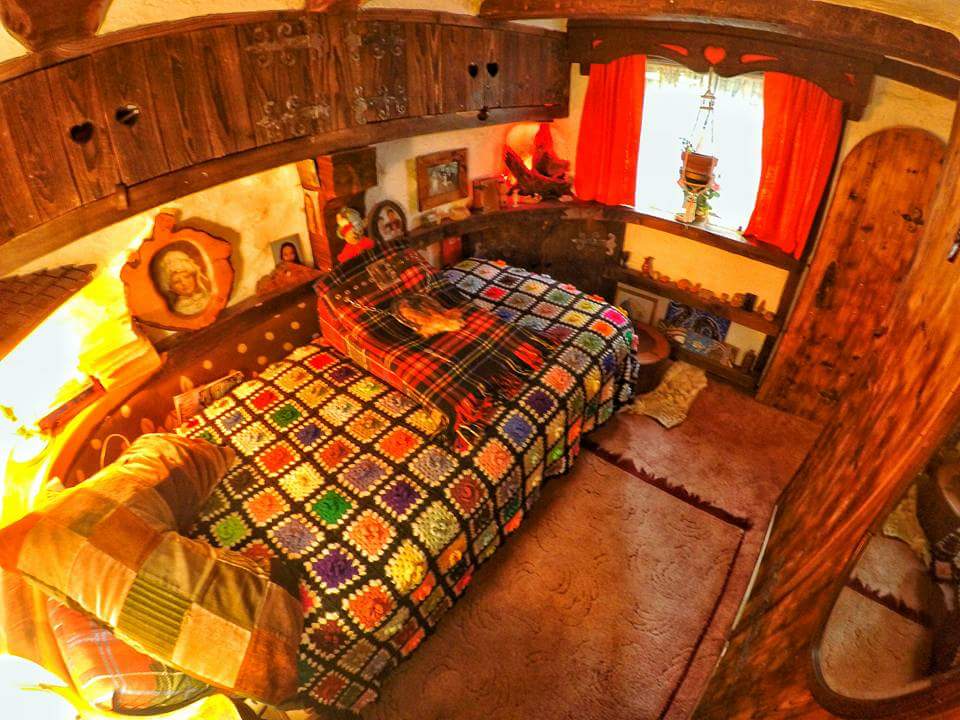
Besides being an amazing woodworker, Grant is also a gifted artist.
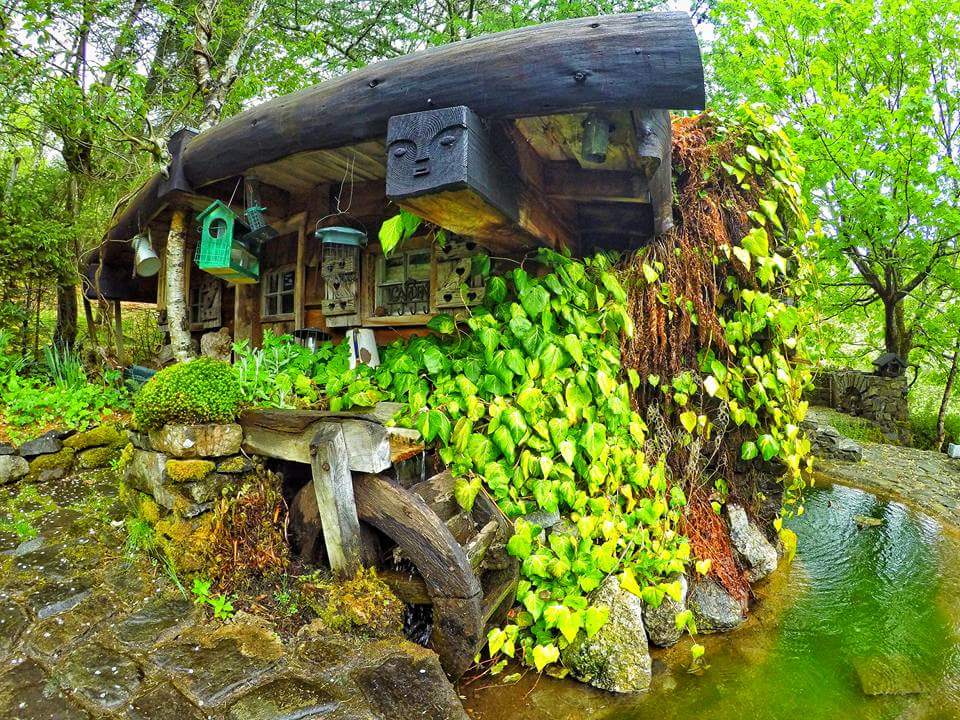
He had originally intended on renovating the cottage on the property, but soon realized that the cow shed had better views and more potential to create his fairy tale home on a budget.
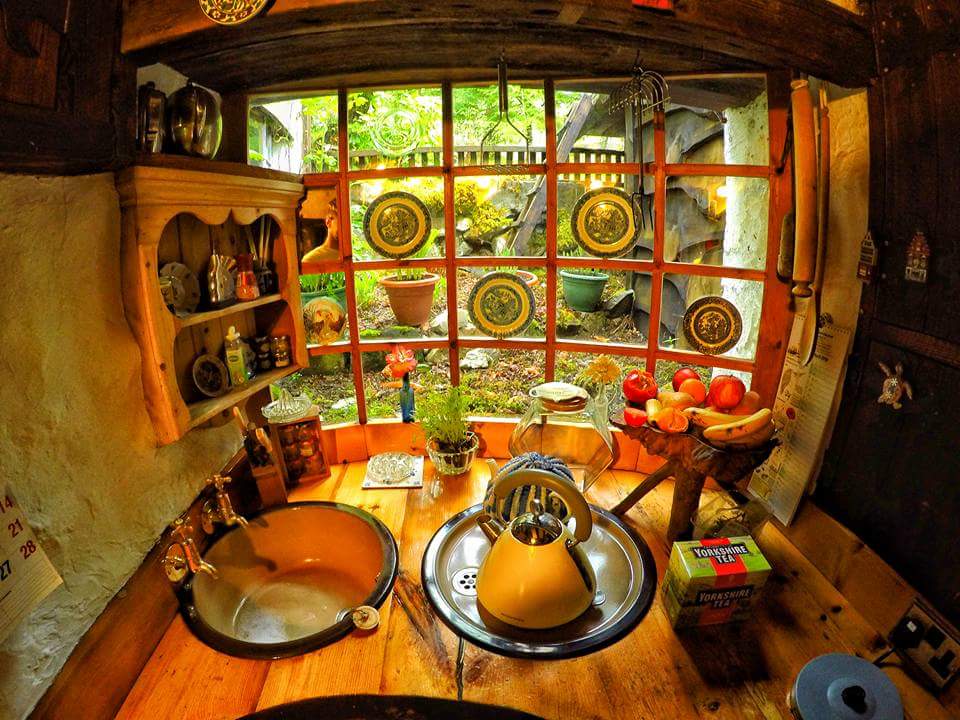
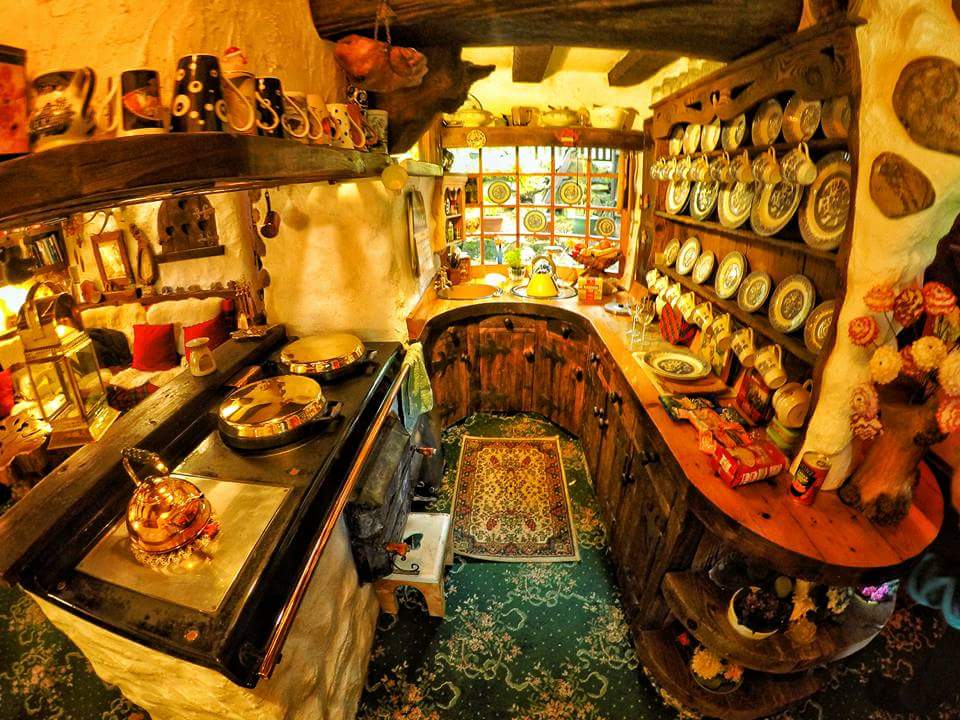
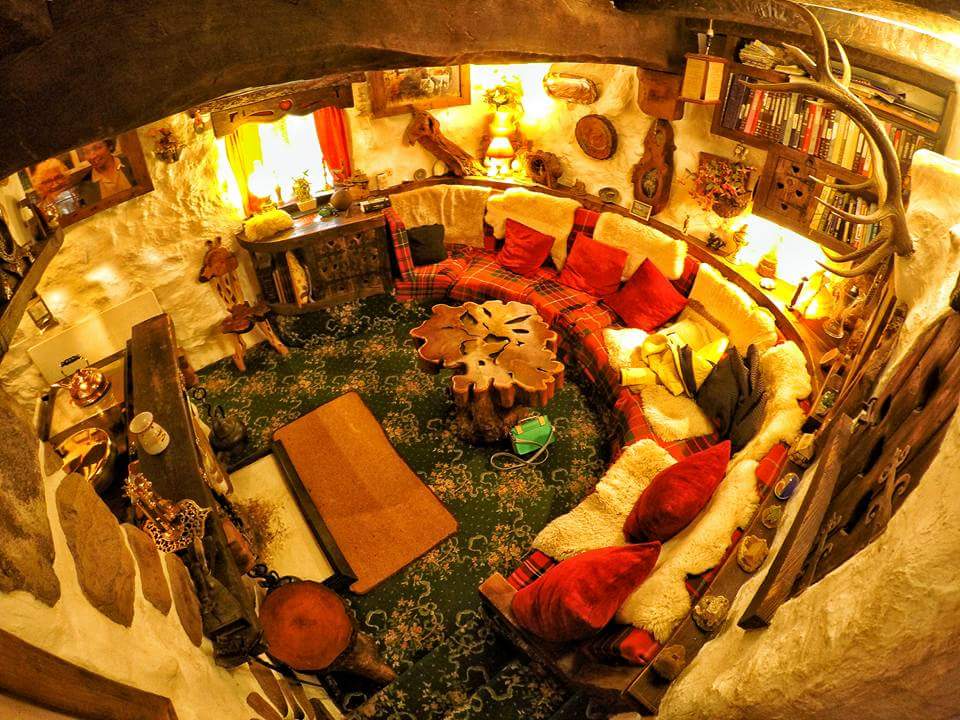
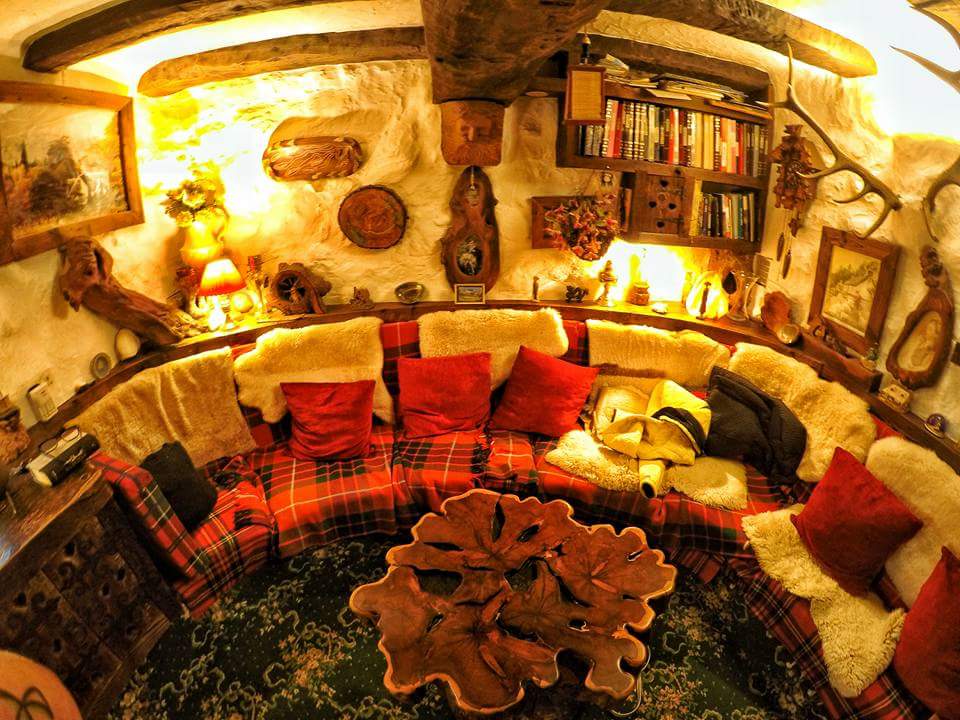
The roof is covered in living green moss, climbing green ivy crawls up the exterior walls, the ceilings have beautiful wood beams and the windows mullioned.
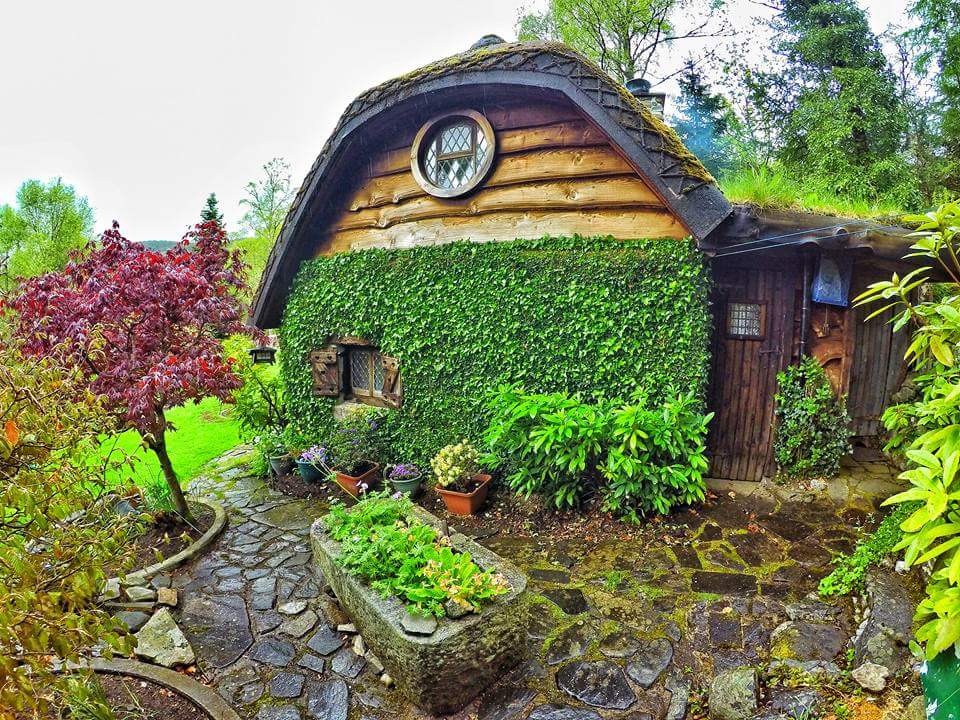
Cozy touches are adorned throughout the cozy cottage, from sheepskin rugs and tartan throws to unique crochet quilts.
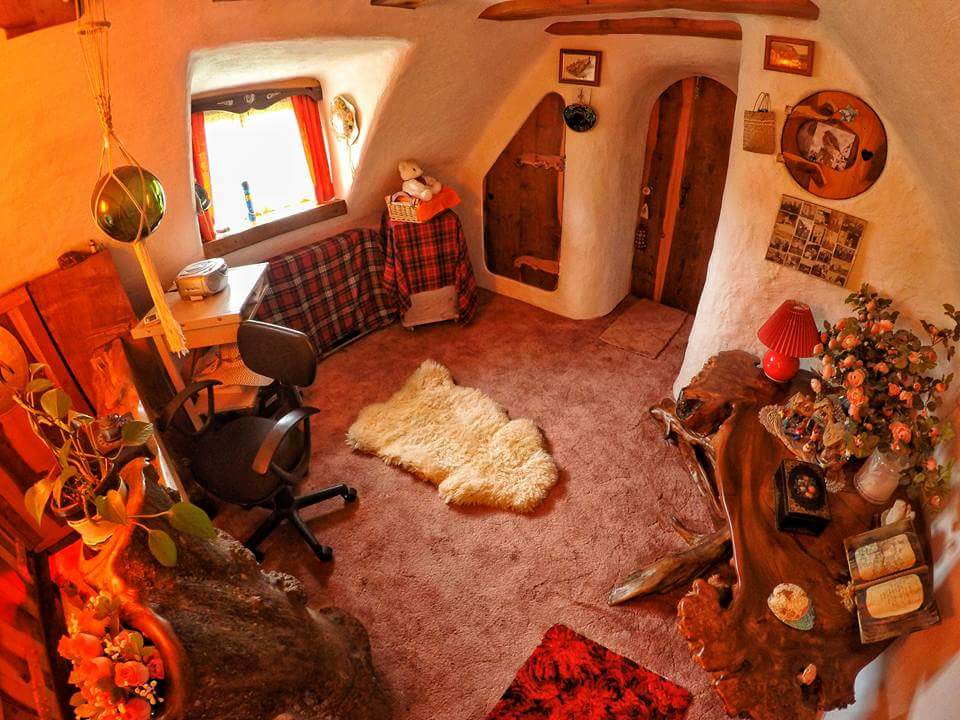
Outside is a flower-filled garden with a pretty pond and a greenhouse for growing his own fruits and vegetables. A perfect way to Thrive in Life!
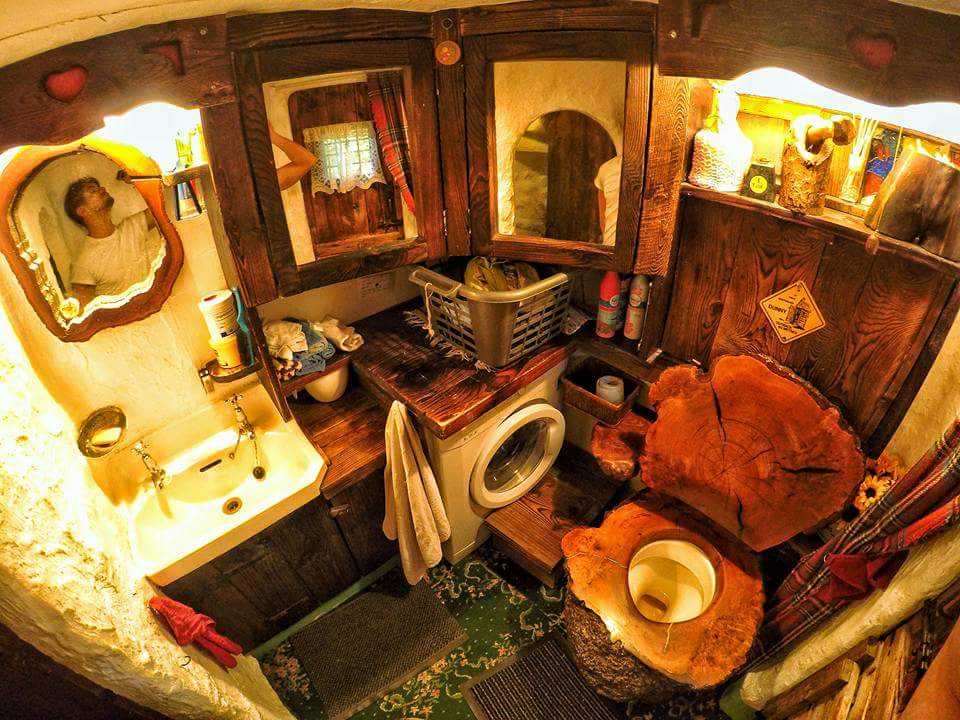
The delightfully secluded area has not been without visitors.
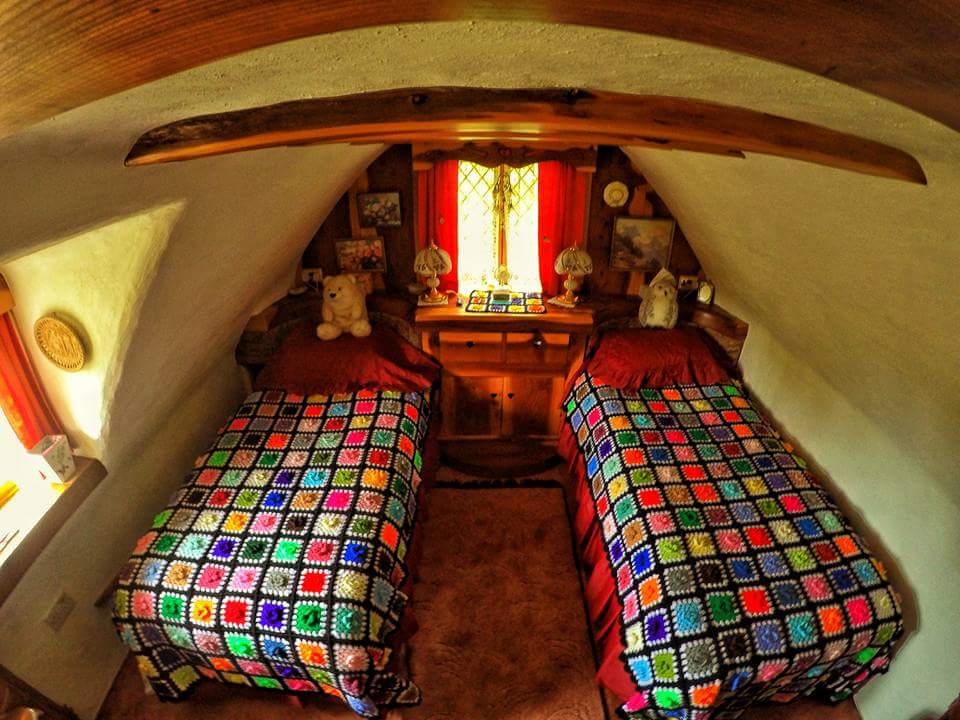
After Maclean’s video of the cottage emerged in 2009, a handful of “Lord of the Rings” fans made their way to the cottage to meet the man who dreamed and hand crafted his very own “Hobbit House.”
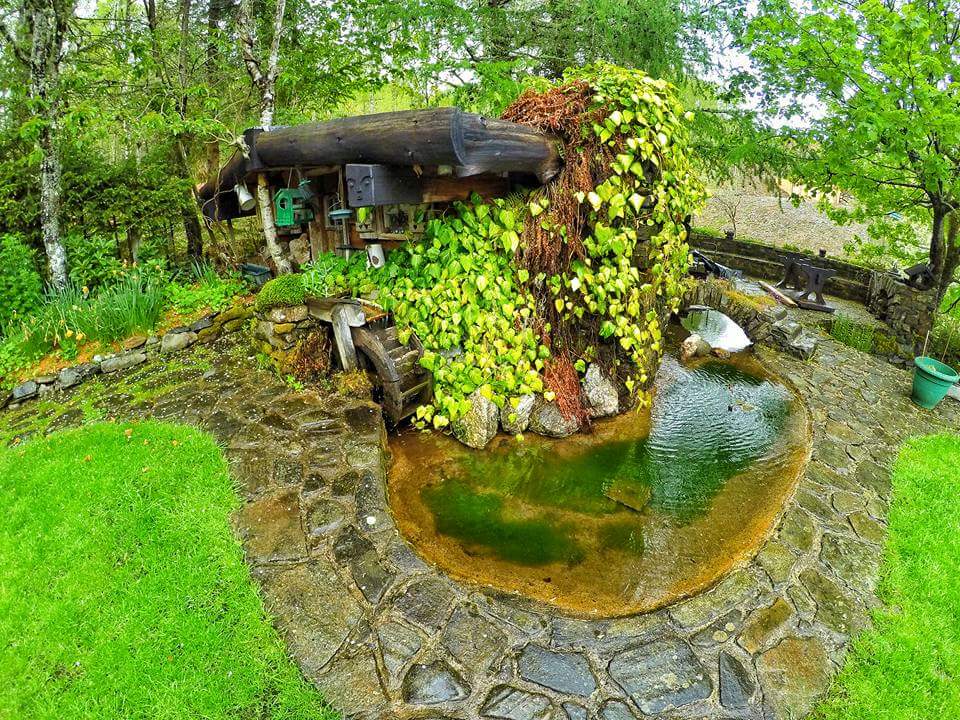
I hope you enjoyed taking a virtual visit of a hobbit house that I would love to live in.
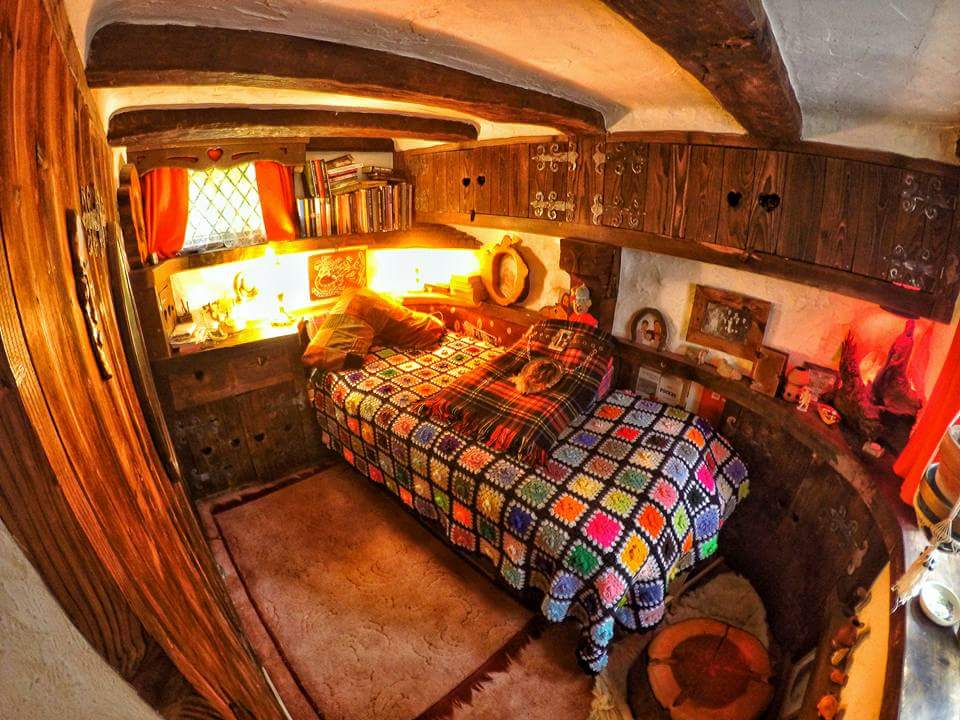
This is a man who knows how to survive life, so he can Thrive in Life!
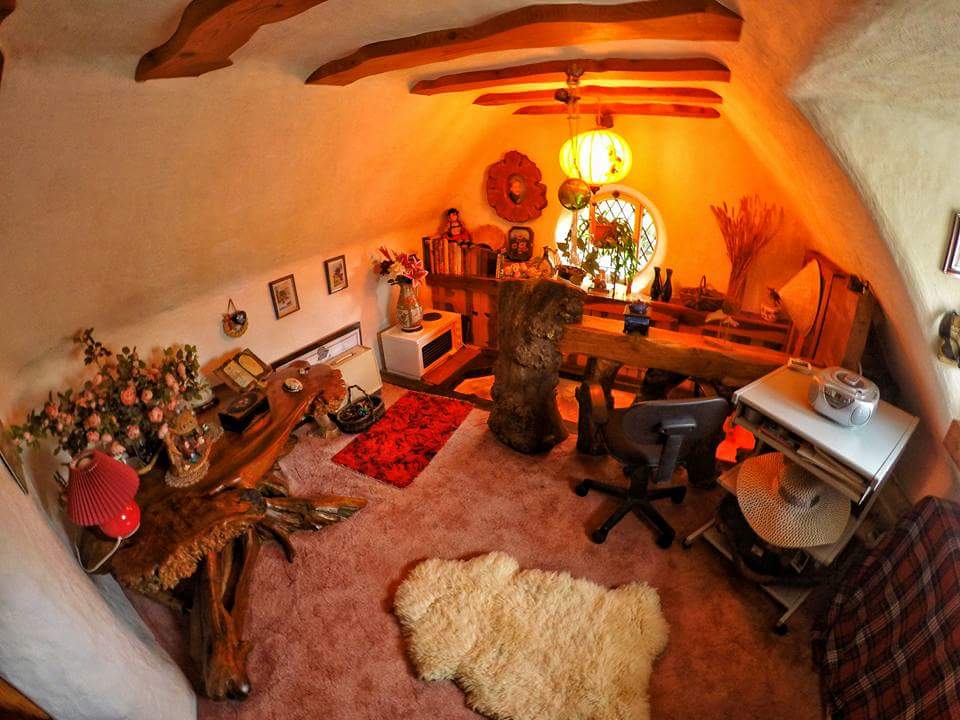 (Photos Courtesy of Kahlum Grant, original article found at theepochtimes.com)
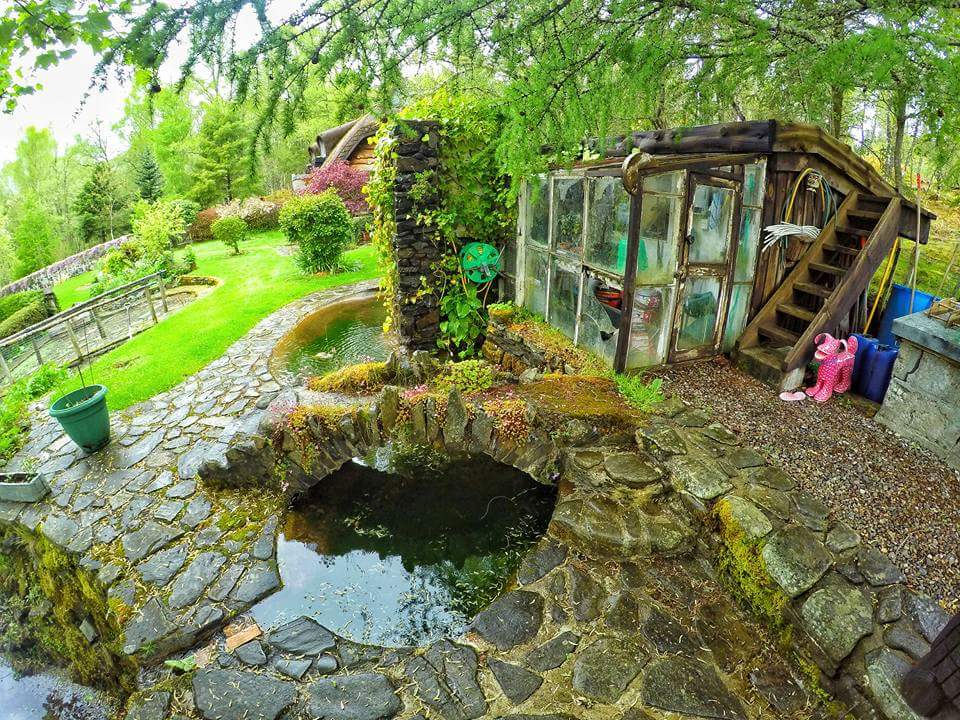
Find your thriving gear in our Prepping & Survival collection.
Sunday, November 6, 2022

6 Tips to "Fake it til you make it"
NOVEMBER 5, 2022 TRINA BARKLE"Fake it till you make it" is an English aphorism which suggests that by imitating confidence, competence and an optimistic mindset, a person can realize those qualities in their real life and achieve the results they seek.
The idea of faking it till you make it is controversial, with some people feeling that this behavior is being inauthentic and ego-driven. In my opinion a misinterpretation of the phrase as being the culprit here. This old aphorism is not meant to suggest that you tell lies or take a position for which you are strongly unqualified.

The correct interpretation is that this concept is about ramping up your confidence, pushing yourself beyond your comfort zone and learning new things. There is a plethora of research available to prove that embodying the persona of a successful, happy individual is one of the most effective methods to meet your goals and achieve your dreams.
When I was younger I had horrible self confidence. I felt like I wasn't good enough to enjoy life, to have a good career or to have a happy relationship. I didn't do anything about it because I didn't think I could.
Then I had my first daughter, I was so worried that I wouldn't be a good mother. I didn't feel confident enough to be a good mother, so I started faking it. I didn't feel confident enough to be a good provider, so I started faking it. I didn't feel confident enough to be a survivor, so I started faking it. I didn't feel confident enough to thrive in life, so I started faking it.
Sometimes I felt overwhelmed, but I kept trying, kept learning, kept faking it until I finally started feeling like I was a good mother, a good provider, a survivor and to finally thrive in life. There were so many things that I never thought I could do, but I started to fake it, until I actually made it and you can too!

When you are feeling insignificant, not good enough, not smart enough try out these 6 tips to "fake it til you make it".
1) Reflect on a recent situation in which you felt not good enough or upset in your behavior due to a lack of confidence. If you were a confident person, how would you have reacted differently? Challenge yourself to approach an upcoming situation with greater confidence. Be bolder than you feel you usually are at the next meeting, the next social event or family activity and put your hesitance aside. Practice approaching new people, talking to them and smiling. It might feel odd at first, but keep trying to be confident and it will continue getting easier and more natural.
2) Force a smile, even when you have a bad day. Facial expressions and body posture creates what researchers call a feedback loop. This action causes the brain to interpret and respond to a smile and positive postures in such a way that triggers a satisfying chain of events. In this study, participants were asked questions that identified their emotional state before and after smiling. The subjects overwhelmingly scored happier after smiling. In one study, participants watched themselves smile in a mirror. These participants showed a more significant change in mood than those who smiled without the mirror.

3) Rather than focusing on the negatives in life, spend some time thinking or writing about your goals and how you want to thrive in life. This study had groups of participants prepare for a group exercise in three different ways. One group wrote about their desires and aspirations, another group was asked to write about their duties and obligations in life and yet another about their commute to the location. In the next step, they were separated into subgroups containing one person from each exercise category. They were directed to create a hypothetical startup company. Finally, participants were tasked with ranking the initiative of each person in their group, including themselves. The individuals who wrote about their goals and aspirations were most respected and admired by their teammates. They were also viewed as more proactive and competent. Writing, thinking, and talking about your dreams and goals will give you the boost you need to stretch your comfort zone. Faking being successful in life can lead to being exactly that.
4) Pay attention to the behavior of leaders that you admire. Watch how they respond in various scenarios and practice those behaviors. Commit to events that provide learning experiences and challenge yourself in learning to raise your skill level. Faking it till you make it does not mean faking knowledge that you never bother to gain.

5) There is a danger of falling into The Imposter Syndrome patterns if you believe you're faking your success by lying to get what you want. You are not an imposter, not if your intentions are honest and moral. Fake it til you make it is about improving yourself, not lying about who you really are. You're proving to yourself that you can be confident and successful, not trying to scam people. You're not trying to prove to anyone else that you are happy and accomplished, just yourself. That's all you need. Remember, with each positive forward step you take, you are one step closer to what you want in life. You actually did it, you did not lie your way into it. You may have acted more confident than you felt, but you did deliver what you promised. You can't fake that.
Watch yourself moving up as your actions and behavior become more natural, creating a strong foundation to build upon.
6) Be sure to fake it for the right reasons, not to boost your ego or be artificial. The purpose of "Fake it til you make it" is a concept that is meant to boost your confidence and help you get out of your own way, so you can be successful in life. If something does not feel honorable and authentic, don't do it. Don't lie about your experience and qualifications. Instead lean on your ability, passion, and work ethic.
If this blog helps even one person to fake it til you make it successfully to create a better life, a more confident life, to survive, so you can thrive, all my past pain will be worth it. These 6 tips to "Fake it til you make it" is designed to help others have a better life, please comment if you have any success. Thank you!